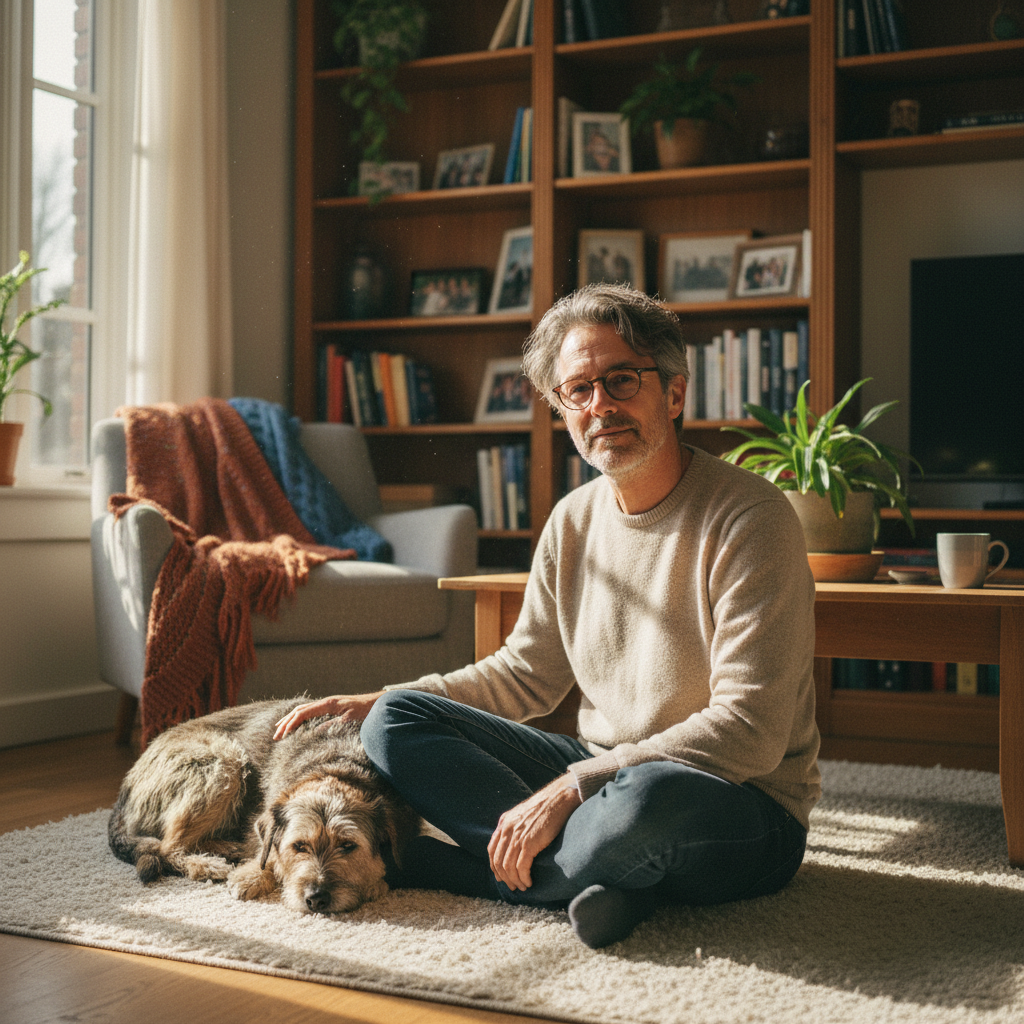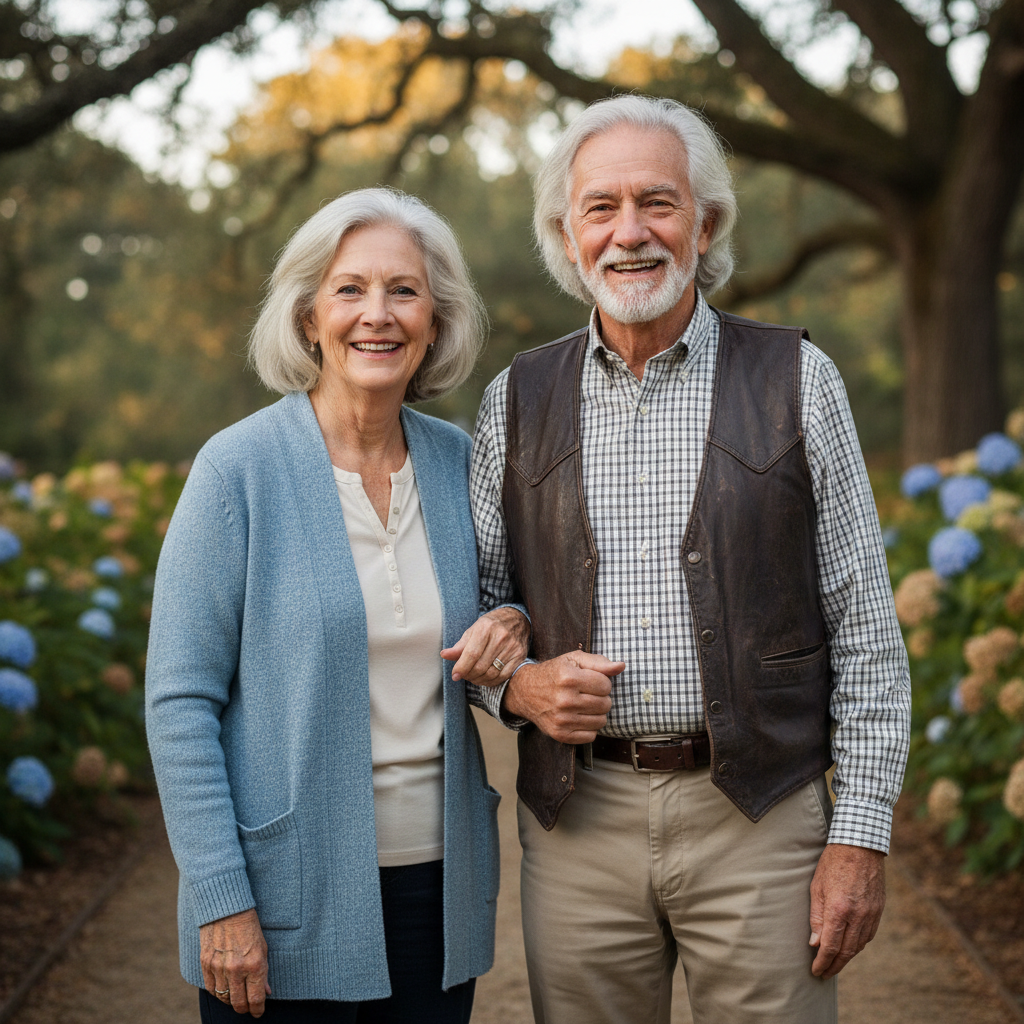

When we walked into the shelter, we told ourselves we were "just looking." We left with a 9-year-old basset hound named Frank.
The volunteer had warned us, gently: senior dogs require more vet visits. They may have health issues. They don't have as many years ahead of them. "Are you sure you don't want to meet some of the younger ones?"
We were sure.
My husband Jim had just retired. I'd read enough about retirement to know the research: structure, purpose, and physical activity are the three pillars of a healthy post-retirement life. Frank, with his droopy ears and his insistence on two slow walks a day, seemed like an efficient solution to all three.
What we didn't plan for was what Frank would do for Jim's heart.
The First Seven Months
Frank was, to be honest, not immediately lovable. He was deeply routine-oriented, and the disruption of coming to a new home hit him hard. He slept most of the first two weeks, barely acknowledged us, and seemed to regard the entire situation with dignified resignation.
But Jim sat with him. Every evening, Jim would sit on the kitchen floor next to Frank's bed and just be there. No pressure, no noise. Just presence.
By week three, Frank put his head on Jim's knee.
I cried when I saw it from the doorway.
The Morning That Mattered
Seven months after we brought Frank home, Jim woke up at 5am feeling "off." Not chest pain, just wrong. He almost went back to sleep. But Frank was staring at him from the foot of the bed, whining softly, which he never did.
Jim called me. We called 911. It was a mild heart attack.
His cardiologist told us later that calling when he did, rather than waiting to "see how I feel," made a significant difference in the outcome. The American Heart Association notes that acting fast at the first signs of a heart attack can genuinely save your life.
Jim believes Frank woke him up on purpose. The cardiologist smiled diplomatically at that theory. I believe the cardiologist is wrong.
What a Senior Dog Teaches You
Frank is 11 now. He moves more slowly than he used to. His muzzle is almost entirely gray. We've had three vet scares in two years.
Every morning he is still here is a gift I don't take for granted.
There's real research behind what we felt, too. The NIH has looked into the connection between pet ownership and cardiovascular health, and what they've found is quietly remarkable. The bond is real. The benefits are real.
There's something about a senior dog that mirrors where we are in life. A little slower, deeply wise, completely present, and absolutely worth it. Frank didn't come into our home looking for a long future. He came looking for a good life.
That sounds about right for all of us.