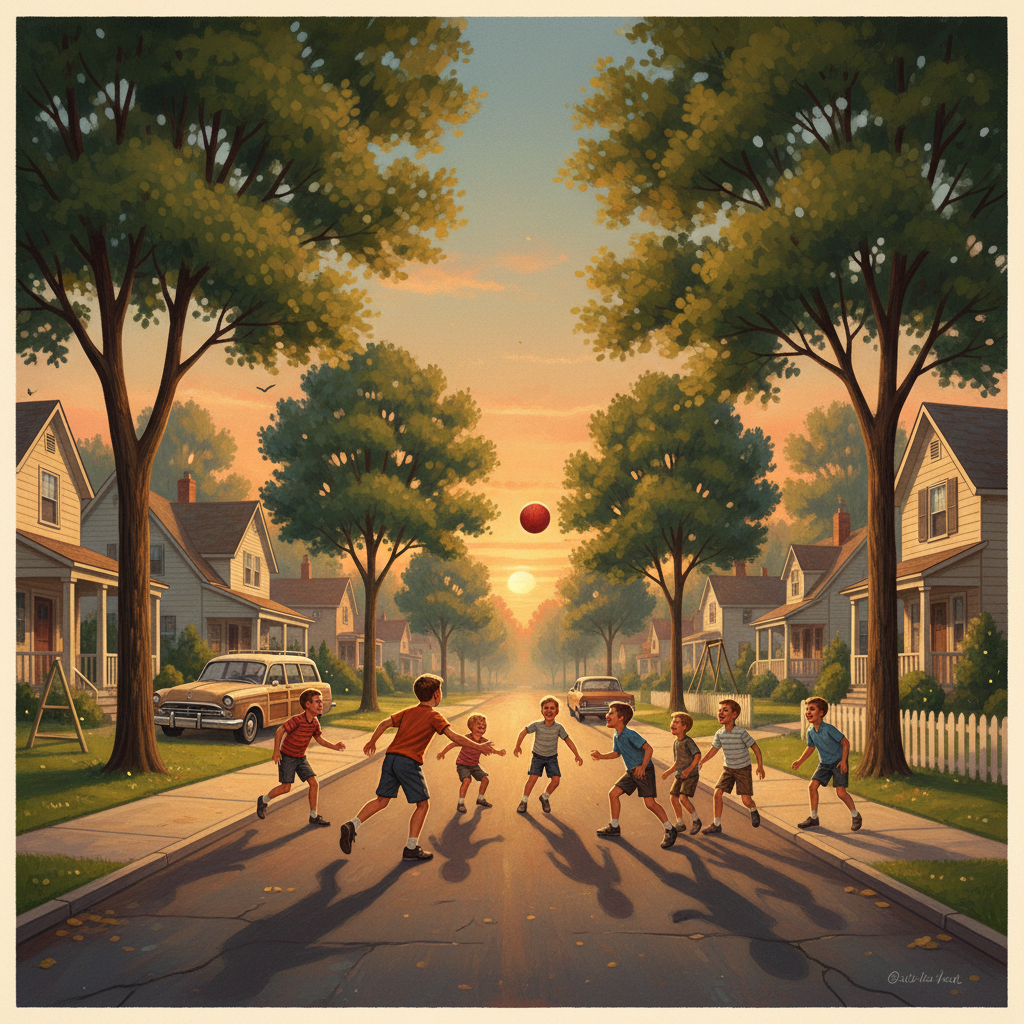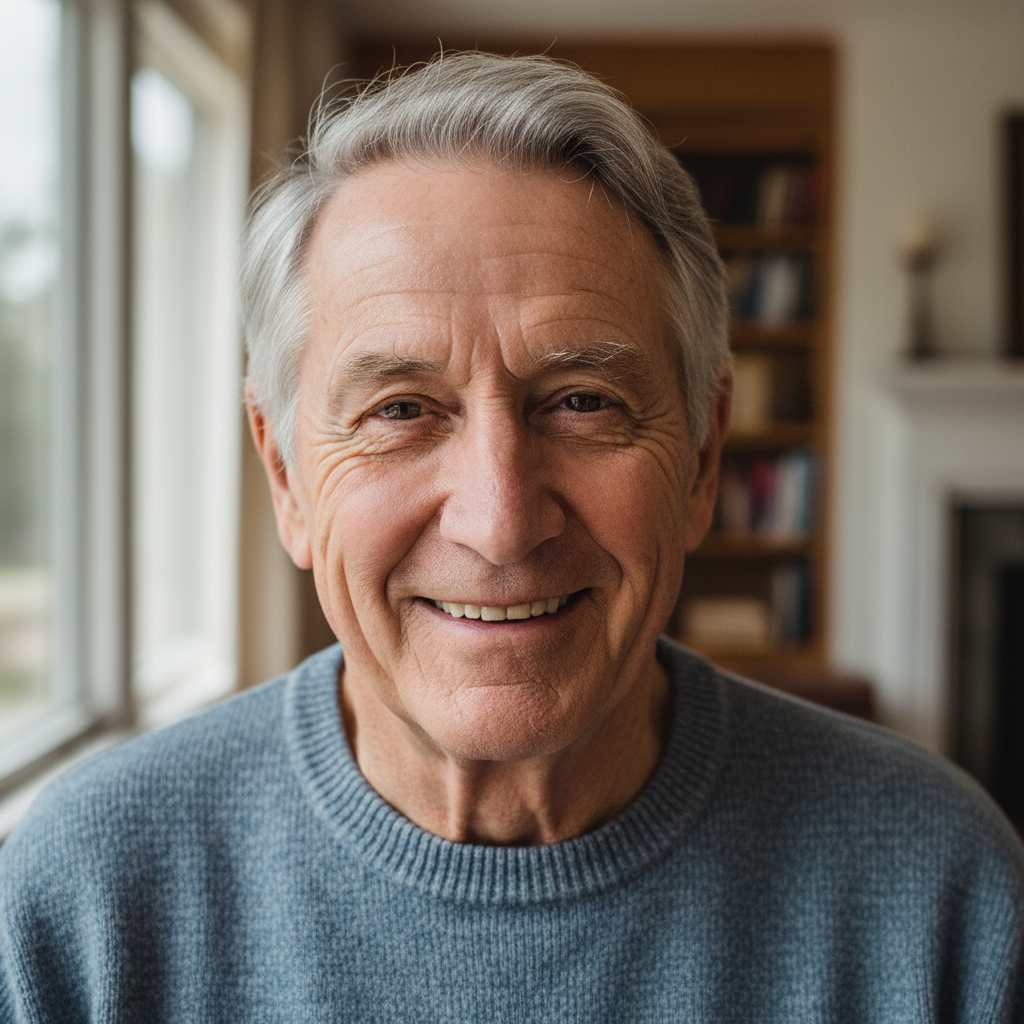
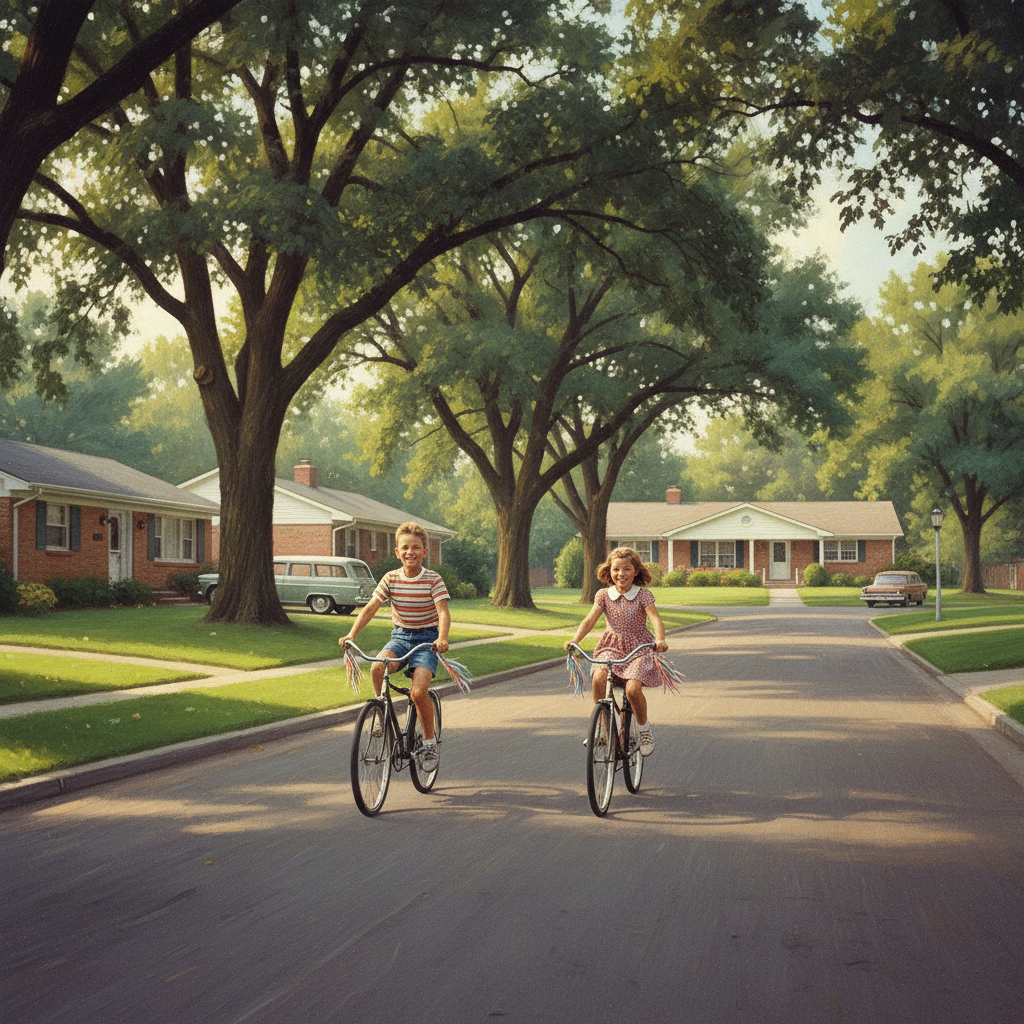
I grew up on Maple Street in Cleveland, though I suspect half the country grew up on a Maple Street of one kind or another. Ours had a cracked sidewalk, a big oak tree that hung over the Kowalski driveway, and approximately forty-seven kids who were outside every single day from June to August.
We didn't have a fitness plan. We had a neighborhood.
We played kickball until someone's mom called us in for dinner. We rode bikes to the gas station, a mile and a half each way, just to buy a Popsicle. We swam in the public pool until our fingers pruned and our hair turned faintly green. We climbed fences, ran through sprinklers, and organized our own elaborate games that had rules none of us could fully explain. None of it was organized. All of it was exhausting. And we slept like stones every night.
I'm 69 now. And I've been thinking a great deal lately about what we lost when those summers ended.
The Body Remembers What the Mind Forgets
Here's something that might surprise you: the World Health Organization recommends that adults over 65 get at least 150 minutes of moderate physical activity per week. That works out to roughly 21 minutes a day. By the standards of our childhood summers, we were getting that before breakfast.
Somewhere between then and now, movement stopped being woven into the fabric of daily life and became a scheduled obligation. We started driving everywhere. We got desk jobs. We built neighborhoods designed around cars instead of children on foot. And slowly, without anyone announcing it, we became a generation that sits far more than it stands.
The consequences are real. According to the CDC, physical inactivity is associated with increased risk of heart disease, type 2 diabetes, certain cancers, and cognitive decline. The American Journal of Preventive Medicine found that adults who engage in regular moderate exercise have significantly better functional mobility as they age, meaning they're more capable of doing the everyday things that keep them independent.
In other words, moving like we used to move keeps us living the way we want to live.
What Made Those Summers So Good (For Our Bodies)
Looking back through a health lens, those unstructured summer days were almost perfectly designed for physical wellbeing, even if we had no idea at the time.
**We moved constantly, but gently.** Most of what we did wasn't high-intensity. It was sustained, low-grade movement: walking, cycling, swimming at an easy pace. That's exactly what exercise physiologists now call the "sweet spot" for cardiovascular health in older adults. Not punishing. Just consistent.
**We were social while we moved.** Research from Harvard's longitudinal study on aging, one of the longest-running studies of human life, consistently finds that social connection is one of the greatest predictors of healthy aging. We didn't go to the park alone. We went with the whole block. That combination of movement and community is powerful medicine.
**We played outside.** Exposure to natural light regulates our circadian rhythm, boosts Vitamin D synthesis, and is associated with improved mood and sleep quality. We were in the sun for hours. Today many of us sit under fluorescent lights or rarely venture outdoors at all.
**We weren't afraid to be bad at things.** Nobody on Maple Street was a sponsored athlete. We fumbled, fell, got back up. That lack of performance pressure meant movement stayed enjoyable rather than becoming a source of anxiety.
You Can't Go Home Again — But You Can Get Closer Than You Think
I'm not suggesting you join a neighborhood kickball league (though if one exists near you, I say go for it). What I am suggesting is that the spirit of those summers is more accessible than it might seem.
Walk with a friend instead of walking alone. Go somewhere with your feet that you'd normally drive. Find a community pool and get in the water. Sign up for a dance class, a garden club, a pickleball group. Anything that makes movement feel like play rather than punishment is worth trying.
My cardiologist told me something a few years ago that has stuck with me ever since. He said the best exercise for your heart is whatever exercise you'll actually do. Not the most efficient. Not the most scientifically optimized. The one you enjoy enough to show up for.
For me these days, it's a morning walk around the neighborhood. Forty minutes, no headphones, just watching the world go by. I wave at the neighbors. I stop and pet dogs. I notice things. It's the closest I've come in fifty years to those slow, wandering afternoons on Maple Street.
The Science of Play — Even Now
Researchers at the University of British Columbia found that aerobic exercise, even moderate amounts, actually increases the size of the hippocampus, the brain region responsible for memory and spatial navigation. Other studies have linked regular walking with reduced depression, better balance, and lower rates of dementia. The National Institute on Aging backs this up with a wealth of research showing just how broadly movement protects us as we get older.
And here's what I find most moving about all of this: it's never too late. People who begin a regular walking habit in their 60s and 70s still show measurable improvements in cardiovascular health, cognitive function, and quality of life. The body, it turns out, is remarkably forgiving.
We spent our childhoods in motion without thinking about it. The beautiful irony is that now, when we have to think about it, we know more than ever why it matters.
A Letter to the Kid on Maple Street
If I could go back and tell that eight-year-old boy riding his bike to the gas station one thing, it wouldn't be anything about finance or career or the decisions I'd regret. It would be this: keep moving. Keep playing. Keep going outside.
And to the 69-year-old version of that kid, which is me, trying to remember to take the stairs and go for that walk even on cold mornings, I'd say the same thing.
You don't need the cracked sidewalk on Maple Street. You just need to go outside and move like you still love being alive.
Because you do.
---
**Medical Disclaimer:** This article is for informational and personal narrative purposes only and does not constitute medical advice. The experiences shared reflect the author's personal journey and should not be taken as a substitute for professional medical consultation, diagnosis, or treatment. Always consult a qualified healthcare provider before making any changes to your medications, supplements, diet, or health regimen. Results mentioned are individual experiences and may not be typical.