The Widows' Walking Club
I joined the widows' walking club because my therapist suggested I "find community." I rolled my eyes at the time. The phrase felt like something people say when they don't know what else to say.
But I was lonely. Desperately, achingly lonely. My husband had been dead for eight months, and I'd run out of things to reorganize, out of boxes to unpack, out of distractions to keep myself from thinking about the silence in the house.
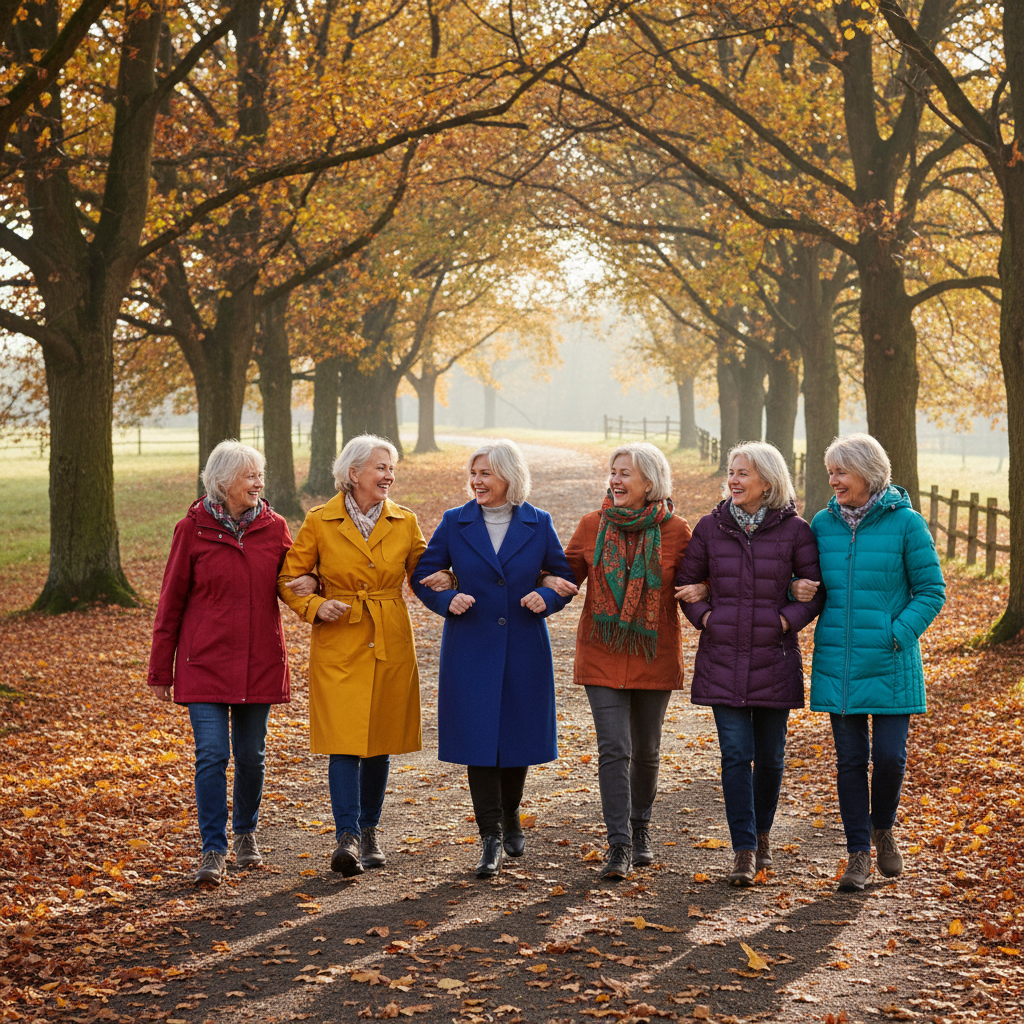
The group met every Tuesday morning at 9 AM at the town common. Six women, ages 62 to 78, all of us wearing practical walking shoes and carrying water bottles. We walked the same two-mile loop every week, talking about everything except our grief.
What We Didn't Talk About
We didn't talk about the empty side of the bed, or the way certain songs could stop us in our tracks, or the peculiar loneliness of making dinner for one person after decades of cooking for two.
Instead, we talked about our grandchildren. About the tomatoes we were growing. About the books we were reading and the movies we'd seen. About politics and the weather and the absurd prices at the grocery store.
At first, I thought this avoidance was strange. Shouldn't we be processing our loss? Shouldn't we be sharing our pain?
But slowly, I began to understand: this was the healing. Not the talking about grief, but the talking about everything else. The reminder that we were still here, still capable of conversation and connection and joy. Research on grief and bereavement has long shown that social connection plays a quietly powerful role in recovery, even when the conversations have nothing to do with loss.
The Women Who Saved Me
There was Margaret, 78, whose husband had died three years before. She told me once, casually, that the first year was unbearable, the second year was hard, and the third year was when she started to feel like herself again. "Not the same self," she said. "But a self that works."
There was Priya, 65, who had lost her husband suddenly and was still in shock six months later. She'd forget things mid-sentence, lose track of where she was on the trail. We'd wait for her, patiently, never commenting, never making her feel broken.
There was Susan, 72, who had started dating again and felt guilty about it. "Like I'm betraying him," she said. We told her what I needed to hear too: that love isn't a finite resource. That loving someone new doesn't diminish what came before.
What I Learned
I've been walking with these women for a year now. Some weeks, we're all there. Some weeks, someone's sick or visiting family or dealing with a child's crisis. But we always come back.
We've become more than a walking club. We're the people who show up with casseroles when someone's sick. Who send birthday cards to each other's grandchildren. Who text when the weather is nice: "Trail at 9?"
We still don't talk much about our grief. We don't need to. We see it in each other's faces, in the moments when someone goes quiet, in the way we all understand without explanation why certain days are harder than others.
What we've built instead is something better: a community of women who remind each other, week after week, that we're still here. Still walking. Still capable of friendship and laughter and connection. The CDC notes that social isolation among older adults carries real health risks, which makes finding your people not just comforting but genuinely important.
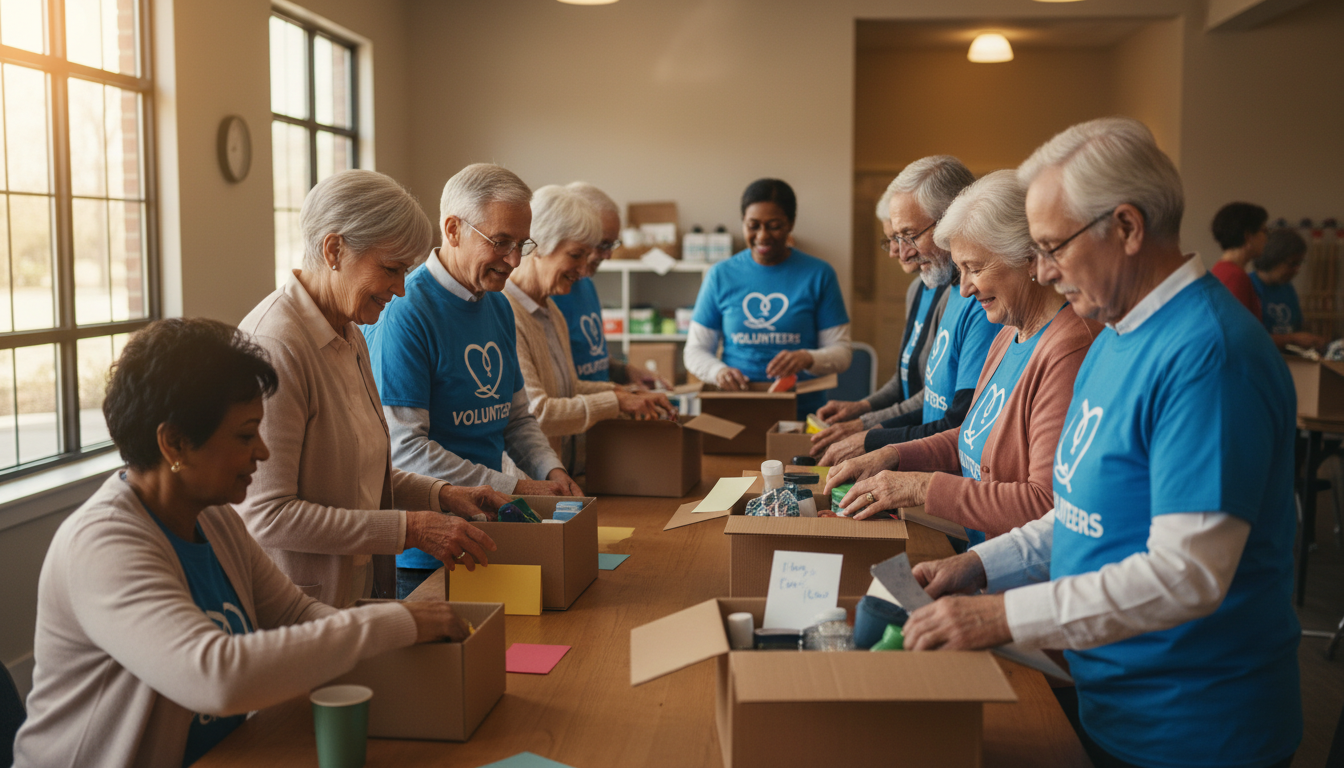
If you're grieving and feeling alone, find your people. The walking club, the book group, the church choir, the volunteer organization. Find the people who will show up consistently, who will wait for you when you fall behind, who will remind you that you're not alone.
Grief doesn't end. But it gets lighter. And it's lighter when you carry it together.