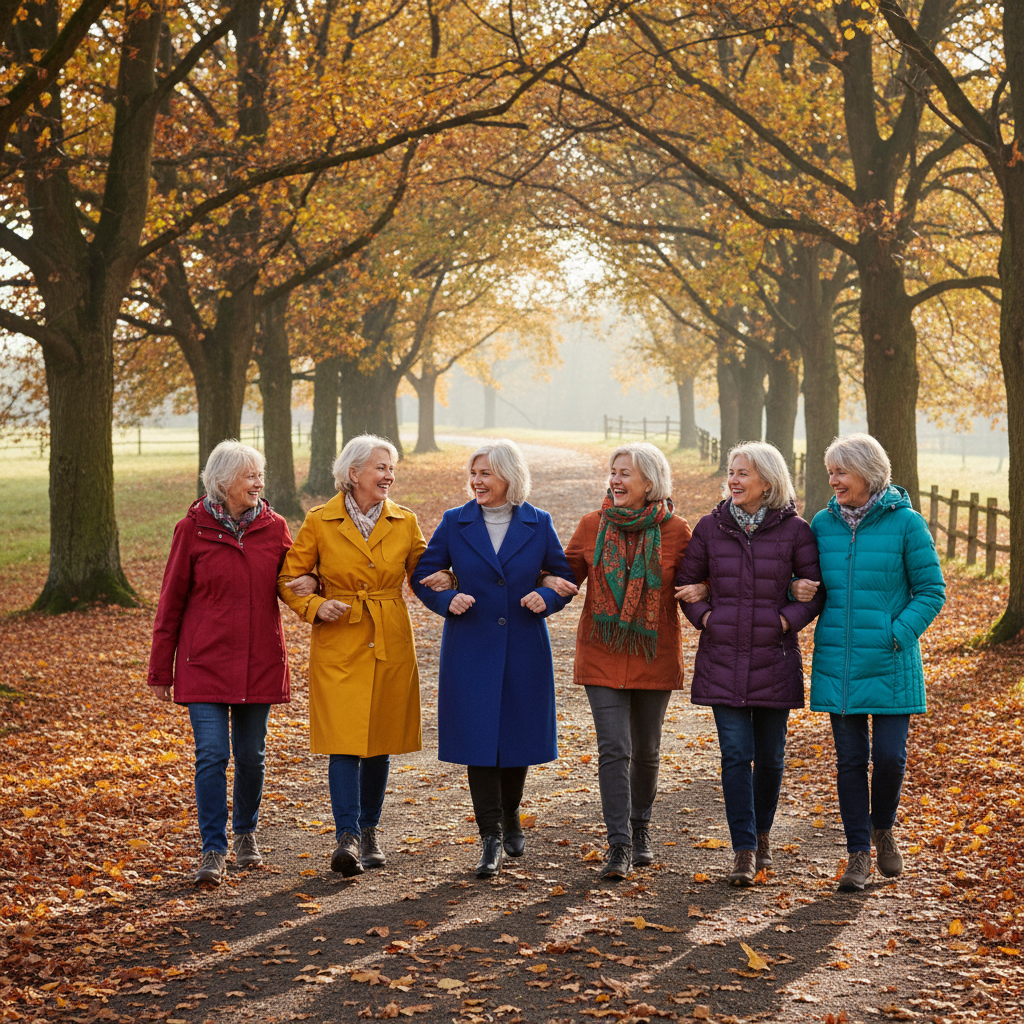
I want to tell you something that took me three years to admit to anyone, including myself: retirement nearly broke me.
Not financially. Not physically. Emotionally. Socially. In every way that involves other human beings.
I had been the hub of our office for thirty years. I organized the holiday parties. I remembered everyone's birthdays. I knew who was going through a divorce, who needed encouragement before a big presentation, who could be cheered up with a specific kind of terrible joke. I was, without fully realizing it, professionally social. And that sociality had been sustaining me in ways I didn't understand until it stopped.
I retired at 66 and within three months I had spoken to fewer people in a week than I used to speak to before 10 a.m. on a Tuesday.
What I Tried First
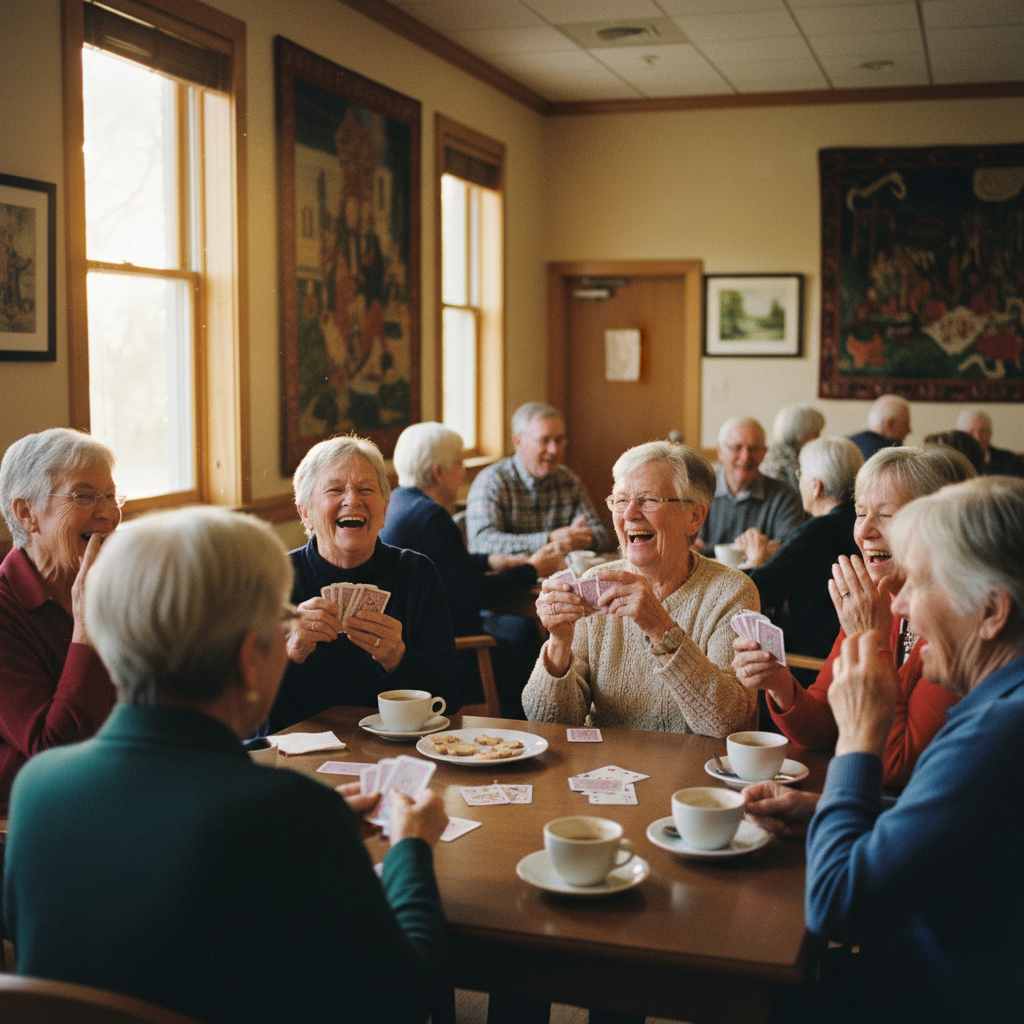
I tried the things people suggest. Book clubs: I attended two, found them polite but surface-level. Volunteering at the library: quiet by nature. A travel group through our church: pleasant, but I didn't connect deeply with anyone.
The U.S. Surgeon General's landmark 2023 advisory on loneliness describes social connection as essential to physical health as nutrition and sleep. It notes that loneliness increases mortality risk by 29%. I didn't know those numbers then. I just knew I was unwell in a way I couldn't name.
The Unlikely Place
My granddaughter was taking a ceramics class. She dragged me to her studio's open community night, mostly, I think, to give me something to do. I went reluctantly, expecting nothing.
I made a lopsided bowl. An older woman at the next wheel was named Cornelia. She was 74, had been doing pottery for five years, and she leaned over and assessed my work with the directness of someone who has stopped softening opinions. "That's actually not bad for a first one," she said. "Most people's first ones look like an ashtray had a nervous breakdown."
I laughed so hard I messed up my bowl completely. We've been friends for three years now.
What Made the Difference
Ceramics, I've since theorized, works as a community-builder because you're all doing something difficult together. There's a natural vulnerability in attempting a new skill at any age. And there's shared language, the vocabulary of the craft, that gives strangers something specific to talk about beyond the weather. Psychologists have long noted that shared activities lower social barriers in ways that purely conversational settings simply don't.
I now go three times a week. I've met a retired surgeon, a former jazz musician, and a grandmother who raised six children and wanted, at 71, to make something beautiful with her own hands. These people have become, in ways I didn't expect and couldn't have planned, family.
What I Want You to Know
If you are lonely in retirement, and the research suggests many of us are, you may need to try more than the obvious things. You may need to look in genuinely unexpected places.
The trick, I've found, is not to look for friends. Look for something to do that you find genuinely interesting or challenging. The friends appear sideways, when you're looking at the thing instead of at them.
Or sometimes they appear because they just told you your bowl looks like something from a nervous breakdown.