I want to be upfront: I am not a particularly religious person. I was raised in a vaguely Protestant household, drifted away from faith in my 30s, and spent most of my adult life viewing organized Christianity with polite skepticism.
So when my neighbor Martha invited me to her church's Thursday lunch program at 66, I nearly said no.
I didn't. And it quietly changed my life.
What I Was Actually Looking For
My husband had retired two years earlier and was traveling for work less. My kids were in different states. The pandemic had severed a lot of the casual social infrastructure I hadn't even realized I depended on. The regular lunch with colleagues, the after-work drinks, the gym classes.
I wasn't lonely exactly. But I was isolated in a way I couldn't quite name.
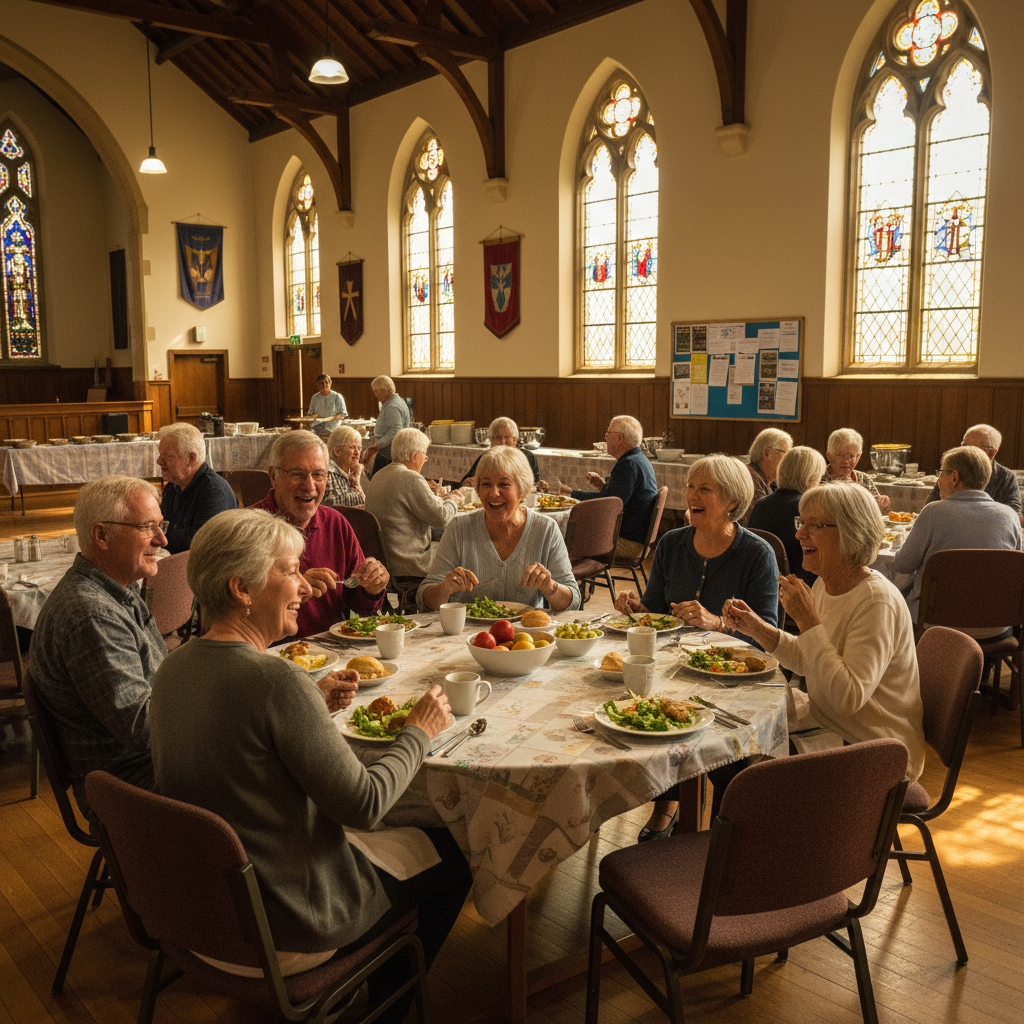
Martha's church, a small Baptist congregation near our neighborhood, had a Thursday lunch for anyone who wanted to come. No membership required, no obligation, just food and conversation. I figured: free soup, what's the downside?
What I Found
The first Thursday, I sat next to a 71-year-old retired nurse named Gloria. We talked for two hours about everything. Her late husband, my work, our children, our fears about aging, what we still wanted to do before we couldn't.
I had not had a conversation that honest with a near-stranger in years.
By the third Thursday, I knew six names. By the sixth, I was helping serve the soup.
The Spiritual Part (Since You're Wondering)
I did eventually attend a Sunday service. Then another. The pastor, a warm and unhurried man in his 60s, preached in a way I hadn't expected. Less about certainty and more about grace. Less about rules and more about showing up for each other.
I started reading the Gospels again for the first time since childhood. I found things I had missed entirely when I was younger. The radical hospitality of Jesus, the way he kept choosing the people everyone else overlooked.
I'm still working out what I believe. But I've found that Christian community, with its rhythm of gathering, its built-in care for neighbors, its framework for meaning, is exactly the structure I didn't know I needed.
What This Is Really About
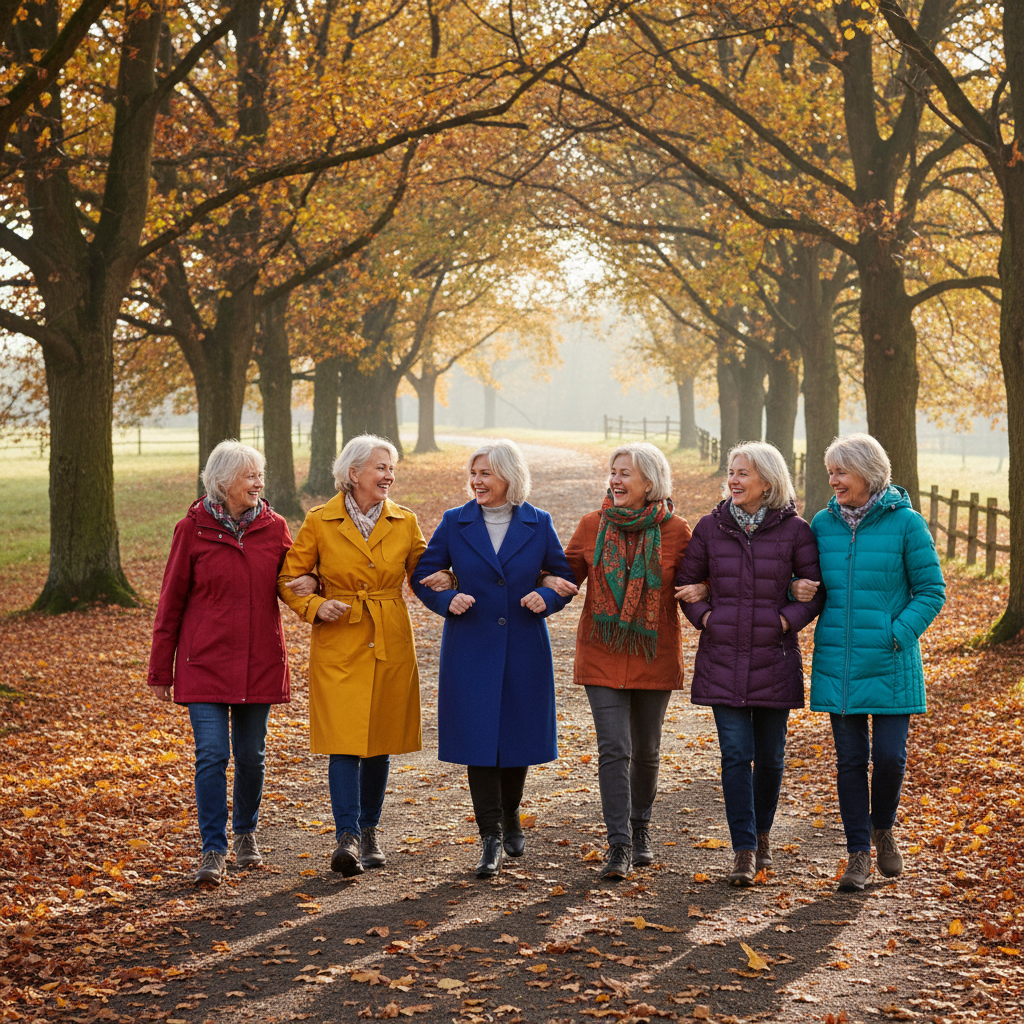
Loneliness among people our age is one of the most significant public health crises no one is talking about loudly enough. It shortens lives, worsens cognition, and hollows out the years we worked so hard to reach.
I found my community in a small Baptist church's Thursday soup lunch. Whether or not you share my beliefs, I hope you find yours wherever you're looking.