I was 51 years old and I had a garage full of tools I hadn't touched in four years.
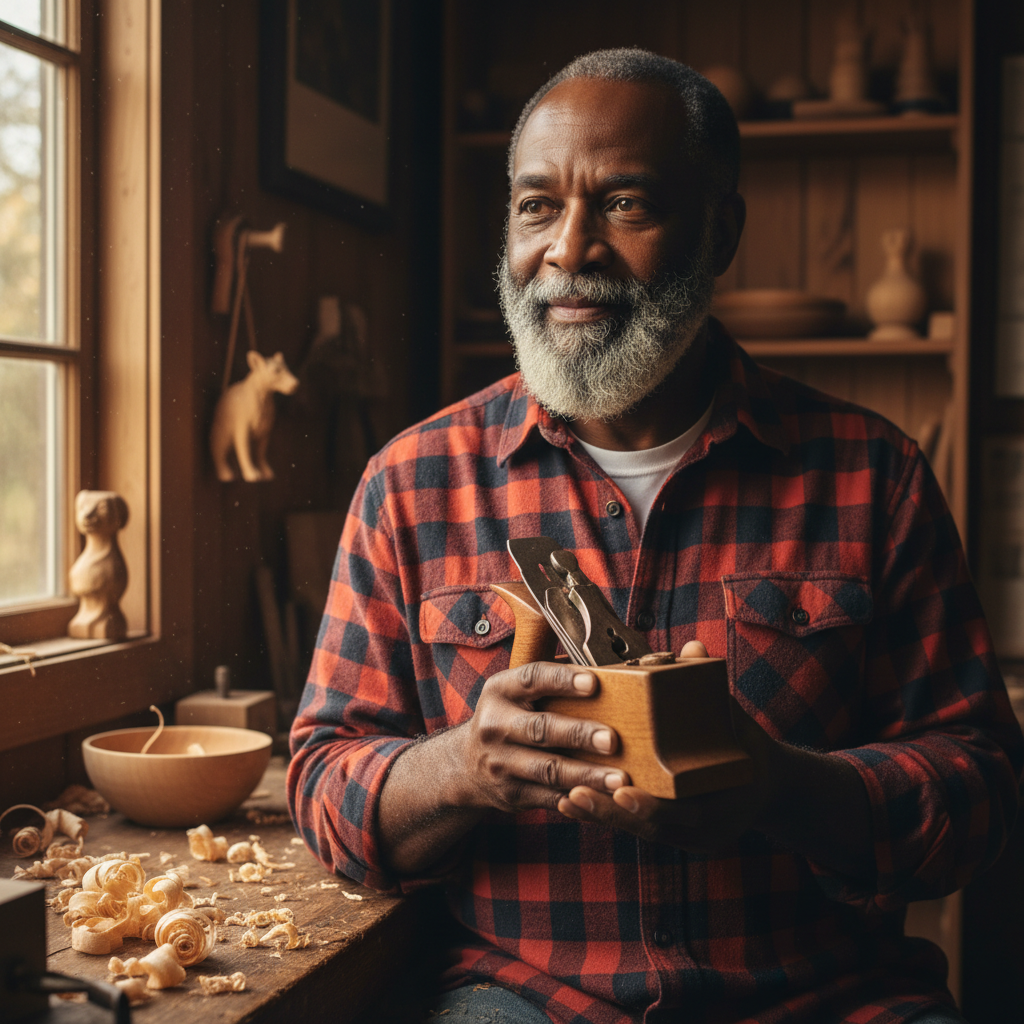
They had belonged to my father, a furniture maker from Birmingham who believed that a man who couldn't build something with his own hands was a man who had given away too much of himself. When he died, I inherited the tools and the guilt of not using them. I was a shop teacher. I knew what these tools were for. I just hadn't been doing it.
On a Sunday afternoon in October, with nothing pressing on my calendar and a vague sense of restlessness I couldn't name, I went into the garage and decided to build something small. Something I could finish in an afternoon. Something that would give me no opportunity to quit.
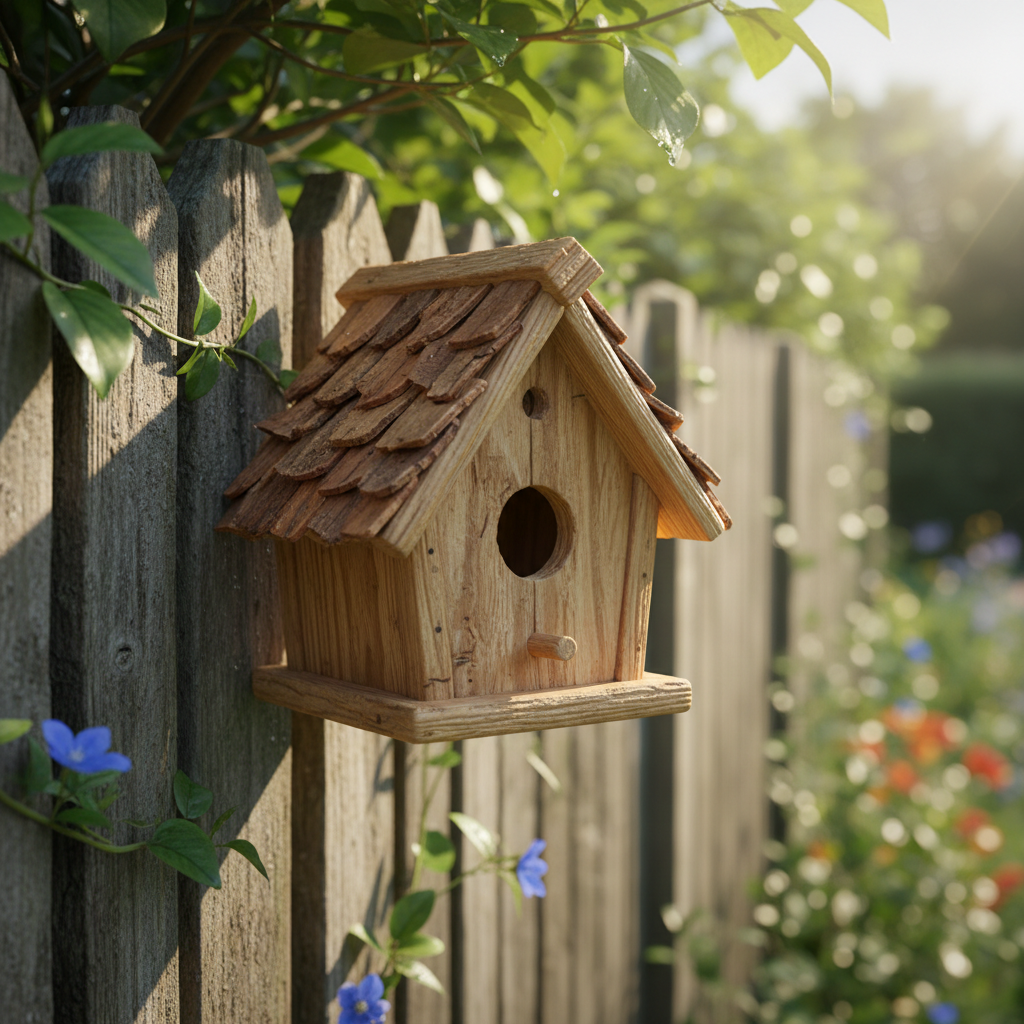
I built a birdhouse.
It took three hours. It was slightly crooked. The entry hole was perhaps a centimeter larger than the technical specifications recommended for Carolina wrens, which is what I'd decided to target. It was not my finest work, technically speaking.
I put it on a post in the backyard and went inside for dinner. The next morning I went back to the garage and started another one.
What Making Things Actually Does to Your Brain
I've thought a great deal about what happened in that garage that Sunday. What specifically flipped the switch that had been stuck for years. And I've read enough about it since to understand the mechanism.
The brain releases dopamine, the neurotransmitter associated with pleasure and motivation, in response to completing tasks. This is why checking items off a to-do list feels good. But it turns out that making a physical object, something that did not exist before you made it and now does, produces a particularly strong dopamine response. Researchers have termed this the "IKEA effect", the documented tendency to value things more highly when we've made them ourselves.
But beyond the dopamine, there is something that occupational therapists call "flow." It's the state of absorbed, effortless attention that happens when you're doing something at exactly the edge of your skill level. Not too easy, not too hard. Challenging enough to require full concentration, achievable enough to keep going.
Building that first birdhouse put me in flow for three hours. I didn't think about work. I didn't think about my bad knee. I didn't think about the news or the bills or the things I'd said wrong last week. I thought about wood and angles and the right way to countersink a screw so the head sits flush.
It was the most mentally rested I'd felt in years.
From One Birdhouse to a Backyard Ecosystem
Here is what I didn't anticipate: the birds would actually come.
Within two weeks of mounting that first birdhouse, a pair of Carolina wrens, who apparently do not care about slightly oversized entry holes, moved in. I watched them from the kitchen window with a level of attention I had not given to the natural world since childhood. I started identifying the other birds in the yard. I bought a field guide. I adjusted the design of subsequent houses based on what I was learning about species-specific requirements.
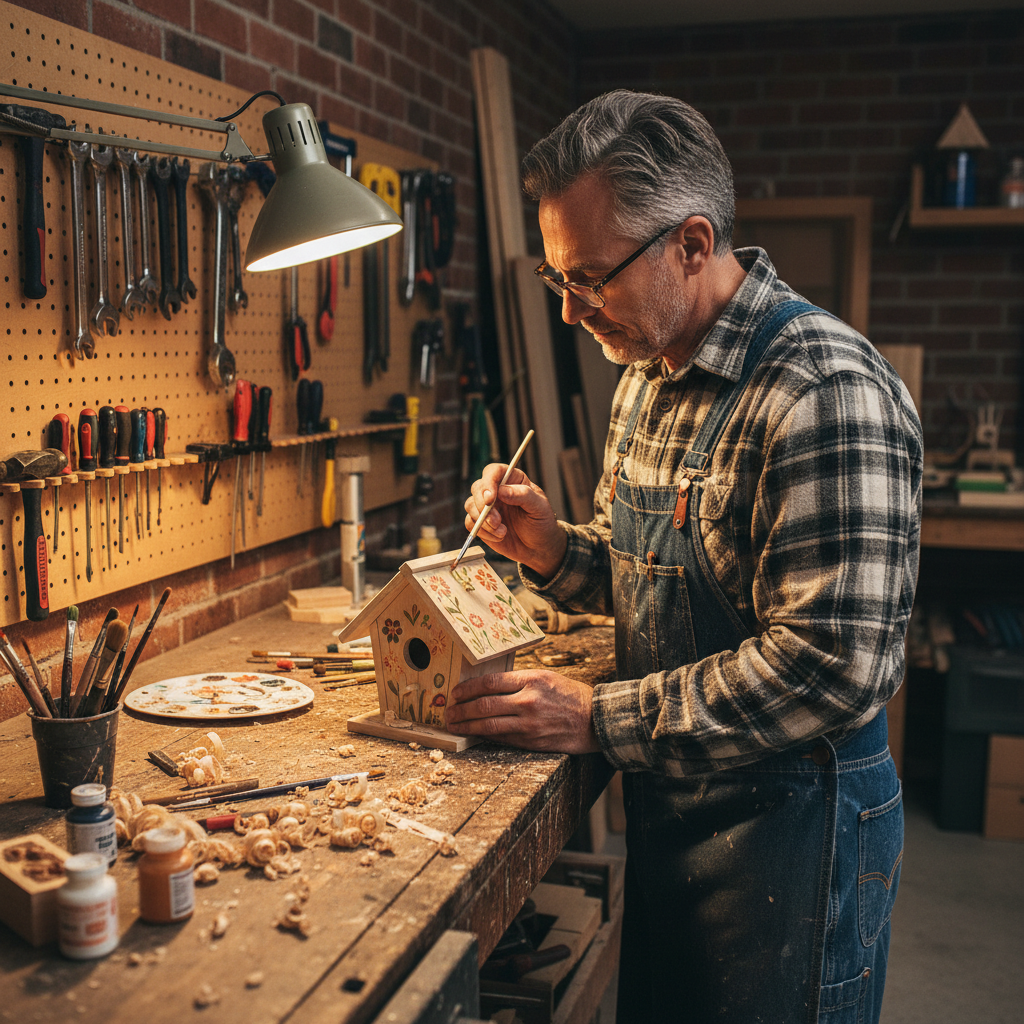
I have now built twenty-three birdhouses over the past three years. Each one is better than the last. Some are plain and functional. A few are frankly ornamental. I've experimented with cedar, pine, and repurposed wood from a neighbor's fence that came down in a storm.
My backyard now hosts wrens, bluebirds, chickadees, and a pair of purple martins in the larger colonial house I built specifically for them last spring. I have become, at 54, an amateur ornithologist. My wife finds this development surprising but not unwelcome.
What the Research Says About Making Things in Midlife
A study published in the Journal of Positive Psychology found that people who engaged in creative activities on a given day reported higher levels of positive affect and flourishing the following day. The benefits weren't limited to professional artists. They applied equally to people making things at home for no audience and no pay.
Another study, from the University of Otago, found that creative activity was associated with feelings of vitality, inspiration, and social connection, even when the activity was done alone. Something about making things signals to the brain that you are alive and capable and participating in the world.
I would add, from personal experience: it also signals to your family and neighbors that you have found your thing. People respond to that. My grandchildren ask to come to the garage now. My neighbor Dave started building bat houses after I showed him mine. We've had more conversations over the fence this year than in the previous decade combined.
Start With Something You Can Finish
If you have tools you're not using, your father's, your own, inherited or long neglected, I want to make the case that now is the time.
Don't start with something ambitious. Start with something small enough to finish in an afternoon. A cutting board. A simple shelf. A birdhouse. The point isn't the object. The point is the state that making it puts you in.
You'll know it when you get there. That quiet absorption, the sawdust on your hands, the specific satisfaction of measuring something right.
And then you'll start thinking about what to build next. That's when you'll know you're in.
My garage is open most Sunday afternoons. The birdhouses are out back. You're welcome to come see.